VPNs
Vpn on microsoft edge: How to use, configure, and optimize a VPN on Microsoft Edge for privacy, speed, and streaming
By Jules Okonkwo · March 8, 2026 · 11 min
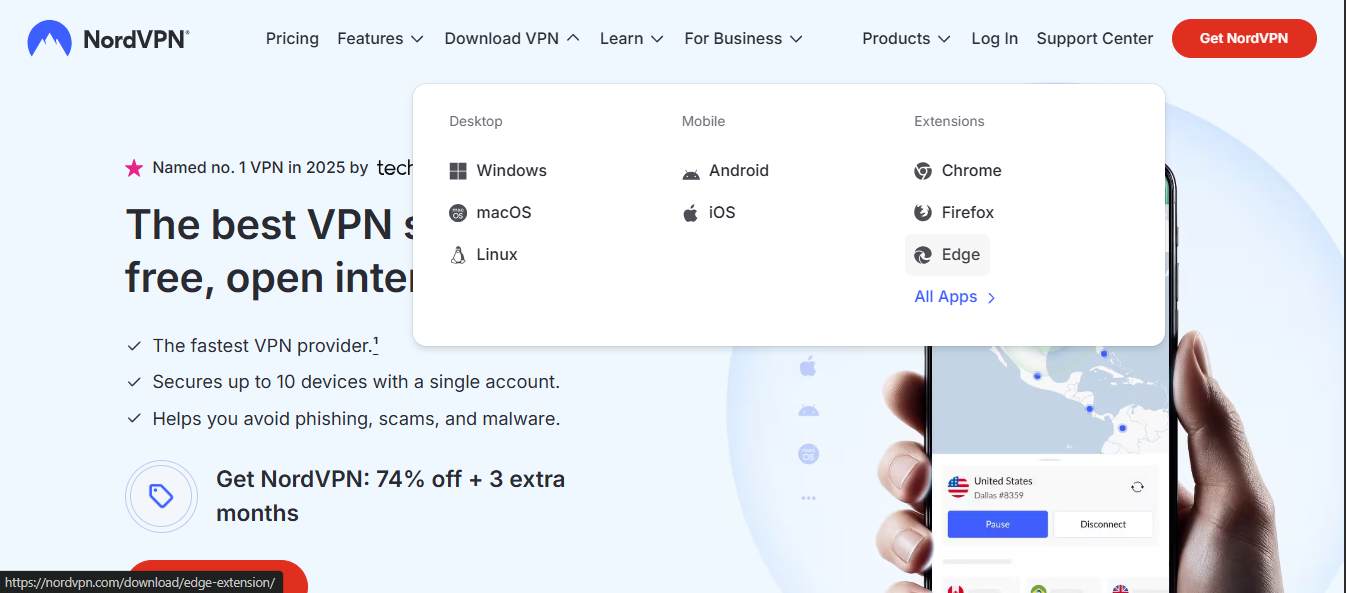
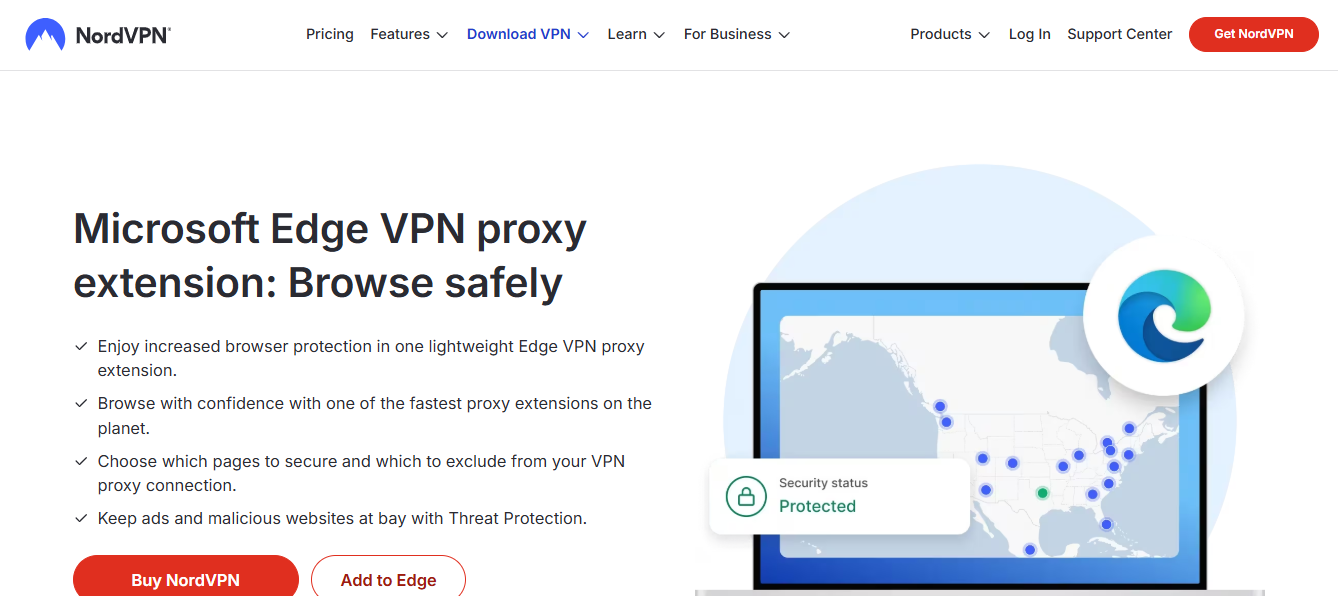
Yes, you can use a VPN on Microsoft Edge. In this guide, you’ll get a practical, step-by-step approach to choosing the right VPN for Edge, installing the extension, configuring extra protections, and optimizing your browsing for privacy and performance. We’ll cover Edge-specific tips, real-world testing, and actionable troubleshooting. Along the way, you’ll find a quick deals pointer to a trusted VPN provider that often has a great deal right now. If you’re ready to go fast, check out this NordVPN offer here:
Useful at-a-glance: what you’ll learn
- How VPNs work with Edge extensions versus full desktop apps
- Step-by-step instructions to install a VPN extension in Edge
- Edge-specific considerations: WebRTC leaks, IPv6, location spoofing
- How to test your VPN in Edge for IP, DNS, and speed
- Top VPN extensions that play nicely with Edge
- Common issues and practical workarounds
- Privacy, logging, and what to look for in a VPN provider
- VPNs for streaming, gaming, and work-from-home scenarios
- Edge on mobile and cross-device setup ideas
- A solid FAQ with practical answers you’ll actually use
Introduction: the quick path to a safer, faster Edge experience
Yes, you can use a VPN on Microsoft Edge. In today’s guide, you’ll get a clean, practical path to set up a VPN extension in Edge, understand where it fits alongside Edge’s built-in protections, and learn how to test speed, leaks, and streaming compatibility. I’ll break the process into small, doable steps and share real-world tips so you can stay private without sacrificing performance.
Body
Understanding VPNs in the Edge ecosystem
Edge supports two primary ways to route your traffic through a VPN: browser extensions and full VPN apps. Extensions are lightweight, easy to manage, and work well for protecting your browser traffic and masking your IP in Edge. Desktop VPN apps route all traffic from your device, including Edge, which can be useful if you want system-wide protection or if your VPN provider bundles additional features like a firewall or malware protection.
- Browser extensions are great for quick, on-the-go privacy when you’re mostly browsing.
- Desktop VPN apps offer deeper control, better encryption options, and global kill-switch capabilities that cover every app on your device.
Edge-specific considerations
- WebRTC leaks can reveal your real IP even when you’re using a VPN extension. look for extensions with built-in WebRTC protection or disable WebRTC in Edge if your VPN lacks it.
- IPv6 traffic can bypass some VPN connections. prefer a provider that supports IPv6 leakage protection or disable IPv6 when needed.
- Location spoofing with a VPN is a great way to test regional content access, but streaming services often try to detect proxies. pair your expectations with a provider known for good streaming support.
VPN options for Microsoft Edge: extensions vs apps
When you browse with Edge, a VPN extension is usually enough for privacy and basic location masking. If you want device-wide protection, opt for a VPN app from a reputable provider. Here are common choices people use with Edge:
- NordVPN: strong performance, a wide server network, and a well-regarded Edge extension.
- ExpressVPN: fast servers, easy Edge integration, reliable streaming support.
- Surfshark: affordable, unlimited devices, solid Edge extension.
- CyberGhost: user-friendly, good streaming compatibility, strong privacy stance.
Pro tip: start with one reputable Edge extension to test your needs, then consider pairing with a desktop VPN app if you require system-wide protection or extra features like a built-in firewall.
How to set up a VPN extension in Microsoft Edge: a step-by-step guide
1 Choose a trusted provider and sign up on their site. If you’re unsure where to start, NordVPN consistently ranks high for Edge compatibility and speed.
2 Open Microsoft Edge and go to the Extensions store Edge Add-ons.
3 Search for your chosen VPN extension e.g., NordVPN, ExpressVPN, Surfshark.
4 Click Add to Edge to install the extension, then pin it to your toolbar for quick access.
5 After installation, click the extension icon in Edge, sign in with your VPN account, and choose a server location.
6 Toggle the extension’s connection switch to connect. Some extensions offer a “Kill Switch” feature—enable it if you want your traffic blocked if the VPN disconnects.
7 Optional settings to review:
- WebRTC protection: enable if available
- IPv6 leak protection: ensure it’s on or disable IPv6 if you don’t need it
- Auto-connect: set a preferred behavior on startup
8 Verify your new IP by visiting whatismyipaddress.com or a similar site to confirm you’re showing the VPN’s location.
9 Run a quick DNS leak test dnsleaktest.com to confirm your DNS queries are not leaking.
10 Test streaming and browsing performance to ensure you’re happy with speed and stability.
Edge-specific tips during setup
- If you notice buffering on streaming services, try a different server location known for good performance with your service.
- If you’re gaming, consider a closer server to minimize latency, but make sure it isn’t overloaded.
- If the VPN extension doesn’t appear in Edge after installation, restart Edge or your computer and try again.
Best VPN extensions for Edge: quick picks and why they work great
- NordVPN: top-tier security, reliable kill switch, broad server network, strong privacy policy.
- ExpressVPN: consistently fast, clean Edge integration, good streaming access.
- Surfshark: budget-friendly, no limit on devices, good privacy features.
- CyberGhost: beginner-friendly, straightforward server recommendations for streaming.
Why I like these for Edge
- They all offer a dedicated Edge extension that’s easy to install and manage.
- They provide robust encryption, usually OpenVPN or WireGuard-based protocols, plus kill switch options.
- Server variety helps with avoiding throttling and accessing geo-restricted content.
Edge-specific performance considerations
- Server load matters more than distance for streaming. If you hit a slow server, switch to a lightly loaded one.
- Some VPNs perform better on Windows due to protocol optimizations. look for WireGuard or similar protocols for best speed.
- Always check the provider’s policy on logging and privacy. A zero-log policy plus independent audits is a strong indicator of trustworthiness.
Performance and privacy: getting the best out of Edge VPNs
Encryption and protocol choices affect speed and reliability. A modern VPN will typically offer:
- WireGuard or similar lightweight protocols for speed
- OpenVPN or IKEv2 as alternatives for compatibility
- A kill switch to prevent data leaks if the VPN drops
- DNS leak protection and WebRTC protection to reduce exposure
Practical tips to maximize speed
- Connect to a server geographically closer to you, but not always the nearest—test several locations.
- Use WireGuard-enabled servers when available for noticeably better speeds.
- Close other bandwidth-heavy apps while testing, then iterate with different servers.
Privacy considerations
- Look for a provider with a clear, access-to-logs policy and transparency reports.
- Prefer vendors with independent audits or strong, verifiable reputations in privacy circles.
- Check for features like a built-in malware blocker or tracker blocking if that matters to you.
Privacy and logging: what to look for in a VPN provider
- No-logs policy with independent audits ideally public.
- Transparent data handling and user privacy policy.
- Clear data collection practices, including connection timestamps, bandwidth use, and IP addresses.
- Mandatory kill switch and DNS leak protection.
- Leverage trusted encryption standards and a variety of secure protocols.
With Edge, you’re typically balancing convenience with broader protection. If you want streamlined protection that works well with Edge browsing, a solid VPN extension is often enough, especially for casual use, streaming, and basic privacy.
Testing your VPN on Edge: practical checks you can do today
- IP check: Use whatismyipaddress.com to verify your IP shows the VPN’s location.
- DNS leak test: Run dnsleaktest.com to confirm DNS requests route through the VPN.
- WebRTC leak check: Use privacy test sites to confirm WebRTC isn’t revealing your real IP or disable WebRTC in Edge.
- Speed test: Use a browser-based speed test like speedtest.net while connected to different Edge VPN servers to compare latency and download speed.
- Streaming test: Try loading content on a streaming service to confirm it can access library content from the chosen location.
Edge with mobile and cross-device usage: staying protected everywhere
- If you use Edge on Windows, macOS, Android, or iOS, you’ll likely want device-wide protection as well—not just the Edge extension.
- Install the VPN app on your device for system-wide coverage. Edge will benefit from the same protection on all apps.
- For mobile Edge, the setup is similar: install the Edge extension, or simply install the VPN app and allow it to run in the background.
Important mobile considerations
- Background activity permissions: ensure the VPN is allowed to run in the background for seamless protection.
- Battery impact: modern VPNs are efficient, but plan for a minor battery impact when using VPNs for long sessions.
- Data usage: some VPNs can compress or optimize data. verify how this affects your browsing and streaming quality.
Common issues and practical troubleshooting
- Issue: VPN extension not showing or not connecting.
- Fix: restart Edge, re-login, re-install extension, or try another server. Check for app updates.
- Issue: WebRTC leaks despite a VPN.
- Fix: enable WebRTC protection in the extension or disable WebRTC in the browser settings.
- Issue: Slow speeds.
- Fix: switch to a different server, use WireGuard if available, or temporarily disable any browser extensions that could interfere.
- Issue: Netflix or streaming service blocks VPN.
- Fix: switch servers known to work with streaming. some services block known VPN IP ranges. check VPN provider’s streaming guides for recommended servers.
- Issue: Kill switch not engaging.
- Fix: enable the kill switch in the extension settings or ensure you’re using a VPN app that has an integrated kill switch.
Streaming, gaming, and day-to-day browsing with Edge VPN
- For streaming: pick servers in the country of the library you want to access. test a few until you find a reliable one.
- For gaming: lower latency servers are key—choose nearby servers with low ping. avoid congested nodes.
- For daily browsing: any reputable Edge VPN extension will reduce exposure to trackers and hide your IP while you browse.
Real-world tips and best practices
- Always test multiple servers to find the best balance of speed and access because performance can vary by server load.
- Use a dedicated VPN extension for Edge if you’re mostly concerned with browser privacy, and consider a full VPN app for device-wide protection.
- Keep your VPN extension and Edge up to date for the latest security improvements.
- If you encounter issues with streaming libraries, check the VPN provider’s knowledge base for recommended servers and settings.
Practical setup checklist
- Choose a trusted VPN provider with a solid Edge extension.
- Install the Edge extension and sign in.
- Enable WebRTC protection and DNS leak protection if offered.
- Enable Kill Switch if available.
- Connect to a server suitable for your usage privacy, streaming, or gaming.
- Test IP, DNS leaks, and speed.
- If streaming, test access to your desired library and switch servers if needed.
- Use unintrusive privacy features and adjust settings to your comfort level.
Frequently asked questions
Frequently Asked Questions
# Do I really need a VPN on Edge?
Yes, if you want to hide your IP while browsing, bypass regional restrictions for content, protect against tracking, and secure your connection on public networks.
# Can Edge’s built-in security features replace a VPN?
Edge has security features, but a VPN adds IP masking and encrypted tunnels for your entire traffic when using a VPN app and helps protect privacy beyond browser-level protections.
# Should I use a VPN extension or a full VPN app with Edge?
If you mainly want browser-level privacy in Edge, a VPN extension is quick and effective. For system-wide protection, use a VPN app in addition to or instead of the extension.
# How do I install a VPN extension in Edge?
Go to Edge Add-ons, search for your VPN, click Add to Edge, pin the extension, then sign in and connect to a server.
# Will a VPN extension slow down my browsing?
Sometimes. It depends on server load, protocol, and distance. Try different servers and protocols to maximize speed.
# Can I still access streaming services with a VPN in Edge?
Often yes, but streaming services try to block VPN IPs. If one server doesn’t work, switch to another server recommended by your provider.
# Is it safe to use a free VPN extension in Edge?
Free VPNs can be risky—think data limits, slower speeds, and privacy concerns. A reputable paid VPN is generally safer and more reliable.
# How do I know if my VPN on Edge is protecting me from DNS leaks?
Run a DNS leak test like dnsleaktest.com while the VPN is connected. If you see the VPN’s DNS servers, you’re protected.
# Can I use a VPN on Edge on mobile devices?
Yes. Install the VPN app on your mobile device and/or use Edge on mobile with the extension enabled, if supported.
# What protocols should I look for in a VPN for Edge?
WireGuard or similar fast protocols is preferred for speed. OpenVPN and IKEv2 are good alternatives if WireGuard isn’t available.
# How can I ensure my real IP isn’t leaked if the VPN disconnects?
Enable the Kill Switch feature in your VPN extension or app. it blocks all traffic if the VPN drops unexpectedly.
# How do I test VPN performance for gaming in Edge?
Test ping and latency to game servers while connected to different VPN servers. Choose the one with the lowest latency and stable connection.
# Can I use multiple VPNs at once with Edge?
Generally not recommended. Running multiple VPN layers can cause conflicts. Pick one reputable provider and use its extension or app.
# How do I disable VPN protection for trusted sites?
Pause or disconnect the VPN extension when visiting trusted sites you don’t want to route through a VPN, then resume when you’re done.
# Is there a risk using VPNs on school or work networks via Edge?
Some networks ban VPNs or restrict traffic. Always follow policy guidelines and understand that VPN use may be restricted in some environments.
# How often should I update my Edge VPN extension?
Keep it updated to ensure you have the latest security patches, feature improvements, and server lists.
# Can I rely on VPNs to protect my privacy on public Wi-Fi?
Yes. VPNs encrypt your traffic over public networks, reducing risk from eavesdroppers and enabling safer browsing.
Useful URLs and Resources:
- NordVPN official site - nordvpn.com
- Microsoft Edge extensions store - microsoft.com/edge/extensions
- WhatIsMyIPinfo - whatismyipaddress.com
- DNS Leak Test - dnsleaktest.com
- WireGuard project - www.wireguard.com
- OpenVPN project - openvpn.net
Note: If you’re ready to take Edge privacy to the next level with a premium option, consider the NordVPN deal above to maximize speed, privacy, and access.
Thunder vpn windows setup and optimization guide for Windows users 2025