Vpn gratis para edge free vpn veepn
Vpn gratis para edge free vpn veepn: free vpn for Edge browser, Veepn alternatives, best free VPNs 2025, Edge VPN tips, no-log free VPN, speed tests, setup guide
Yes, you can use a free VPN with Edge, including Veepn. In this guide you’ll learn which free VPNs actually work reliably with Microsoft Edge, how to set them up, what to watch out for, and when it makes sense to upgrade to a paid option. Below you’ll find a practical, step‑by‑step approach, plus real‑world tips to keep your browsing private and fast on Edge.
- What we’ll cover:
- Which free VPNs pair well with Edge and what Veepn offers in its free tier
- Step‑by‑step setup for Windows and Edge with and without extensions
- Privacy, security, and data‑leak considerations with free VPNs
- Performance tips to minimize slowdowns and data caps
- When to upgrade to a paid VPN and how to choose
- Edge‑specific tips to maximize privacy WebRTC, DNS leaks, etc.
- If you’re curious about a premium option, check out NordVPN with this deal:
Useful resources unlinked text
- Apple Website - apple.com
- Microsoft Edge Support - support.microsoft.com/microsoft-edge
- Virtual Private Network - en.wikipedia.org/wiki/Virtual_private_network
- Veepn Official Site - veepn.com
- VPN Security and Privacy Guides - vpnmentor.com
What a free VPN can and cannot do on Edge
If you’re new to VPNs, free options can be tempting, but you’ll often trade speed, reliability, and privacy for zero dollars. Here’s the practical reality:
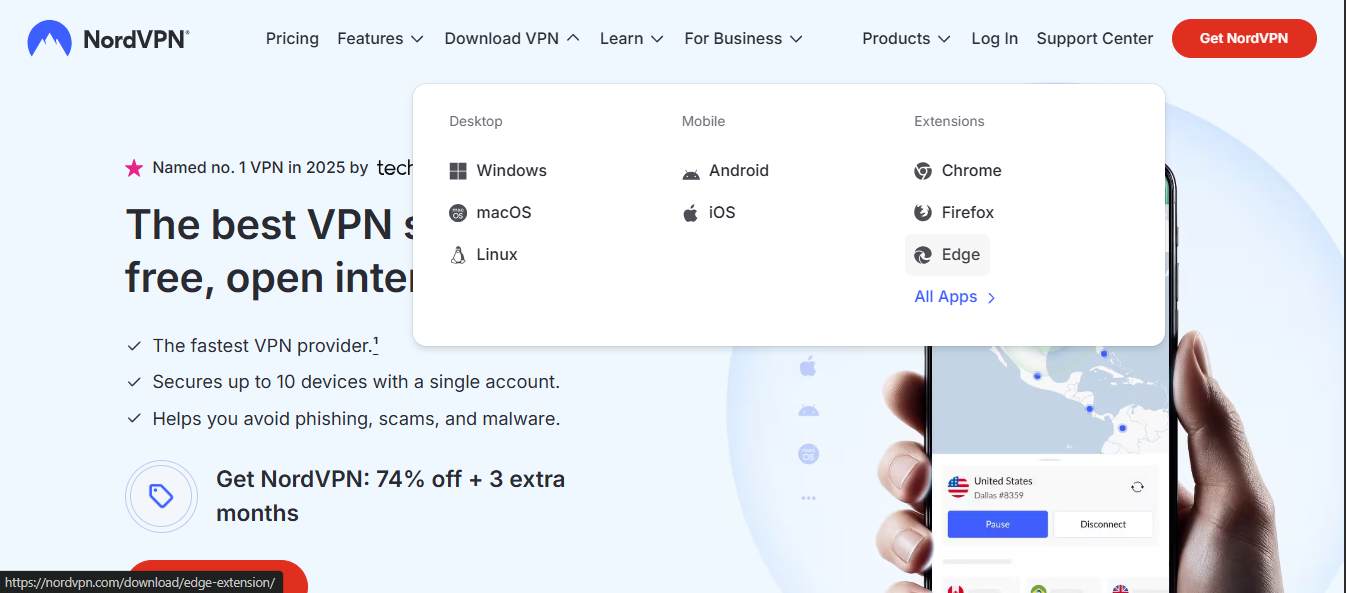
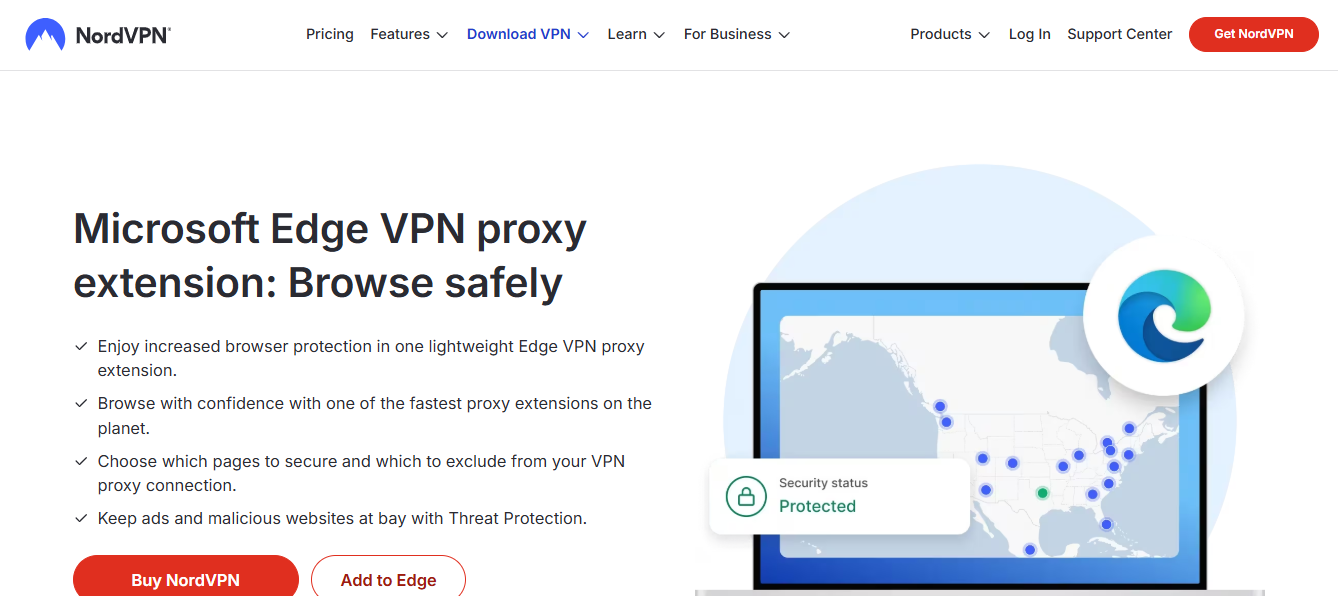
- Edge compatibility: Free VPNs generally work with Edge in two ways—system‑level VPN apps Windows or macOS apps that route all traffic or Edge extensions that tunnel traffic through the VPN when you’re browsing in Edge. The former is usually more reliable for all apps, while the latter can be convenient for browser‑only protection.
- Data limits: Most free plans impose monthly or daily caps. Think hundreds of megabytes to a few gigabytes per month, not terabytes. If you stream video or game online, expect to hit caps quickly.
- Speed and reliability: Free networks often throttle bandwidth or overcrowd servers, which means slower page loads, choppy video, and longer startup times for sites with heavy content.
- Privacy posture: Not all free VPNs are truly privacy‑friendly. Some rely on ads, tracking, or even selling anonymized data to fund their service. Look for clear no‑logs statements and independent audits when possible.
- Security basics: Free VPNs may offer standard encryption AES‑256, but they might lack robust features like a kill switch, DNS leak protection, or advanced protocols. If privacy matters, prioritize VPNs that disclose their security practices.
Key takeaway: Free VPNs can be a good test run or a quick, short‑term option, but they’re usually not a long‑term privacy solution. If Edge is your daily driver for sensitive tasks, you’ll likely outgrow the free tier.
Veepn free plan: what it offers for Edge users
Veepn also known as VeePN is one of the better‑known names in the free VPN space. Here’s what you can typically expect from the free tier when you’re using Edge:
- Server access: Free plans usually restrict you to a small set of servers, often in fewer countries. You’ll want servers that are geographically close to you to reduce latency.
- Data limits: Expect a cap that resets on a monthly basis, or a daily cap. Heavy browsing and streaming will eat through data quickly.
- Device limits: Free tiers may restrict you to a single device at a time, which matters if you switch between desktop and mobile.
- Basic protections: You’ll usually get standard encryption AES‑256 and a basic VPN connection, but features like a kill switch, DNS leak protection, and reliable WebRTC safeguards might be limited or missing.
- Ads and prompts: Some free VPNs monetize via ads or occasional upgrade prompts. You’ll want to decide if that’s acceptable in your workflow.
Pros for Edge fans:
- Easy browser‑friendly setup: For Edge users who don’t want to install a full‑blown VPN app, a browser extension can be convenient.
- Quick testing: The free tier is a good way to check latency and whether your favorite sites work over a VPN.
Cons: Hotspot shield vpn edge
- The free plan tends to be slower and data‑restricted, which can be frustrating if you’re doing heavy browsing, streaming, or remote work.
- Privacy risk: Always read the privacy policy. some free services have opaque data practices.
If you’re exploring Veepn as a free option, treat it as a stopgap solution. For anything beyond quick browsing, you’ll appreciate upgrading to a paid plan.
How to set up Veepn on Windows for Edge step by step
You’ve decided to try a free VPN with Edge. Here’s a practical setup that covers both a Windows app path and a browser extension path.
Option A: Windows app system‑wide VPN
- Visit the official Veepn site and download the free plan.
- Install the Veepn app on Windows.
- Create a free account if required and sign in.
- Choose a nearby server and click Connect.
- Open Edge and verify your IP address has changed by visiting a site like iplocation.net.
- If you encounter DNS leaks, enable DNS leak protection in Veepn’s settings or switch to a different server.
- Test Edge pages for speed and stability. if performance is poor, try a different server or reduce encryption overhead some apps let you pick protocol.
Option B: Edge extension browser‑only VPN
- In Edge, go to the Extensions store and search for Veepn extension.
- Install the extension and sign in with your Veepn free account.
- Activate the extension and select a VPN server from within Edge.
- Confirm the VPN is active by rechecking your IP on a test site.
- Use Edge alone while the system VPN remains off for other apps.
Tips: Ubiquiti edgerouter x vpn site to site
- Always test for DNS leaks after Connect. A quick test with “dnsleaktest.com” can show if DNS requests are leaking outside the VPN tunnel.
- If WebRTC leaks are an issue in Edge, there are browser settings or extensions that can mitigate this risk disabling or controlling WebRTC can help, though it may affect real‑time features on some sites.
Edge browser specifics: browser extensions vs. system VPN
Edge’s ecosystem makes it easy to pick your path:
- Browser extensions: Quick to install, lightweight, and good for just browsing. They don’t route all traffic from your PC, only Edge traffic, which means non‑Edge apps stay on your normal network. Extensions are convenient if you primarily want privacy while browsing or accessing geo‑blocked content in Edge.
- System VPN apps: Route all traffic from your PC not just Edge. This is more secure for overall privacy, especially if you use other apps that access the web messaging apps, mail clients, etc.. This path is usually the best choice if you frequently switch contexts or engage in sensitive tasks.
Best practice: Start with the Edge extension for quick testing. If you need broader coverage or more reliable protection, pair it with a system‑level VPN or switch to a full‑featured paid plan.
Privacy, security, and data considerations with free VPNs
- Logging policies: Free VPN providers sometimes log user activity to optimize performance and monetize traffic. Look for a no‑logs claim, and ideally an independent audit or third‑party verification.
- Encryption and protocols: Ensure the VPN uses at least OpenVPN or WireGuard or their equivalents. Some free options lock you into older, slower protocols.
- Kill switch and DNS protection: A true kill switch prevents data leaks if the VPN disconnects. DNS leak protection stops your DNS requests from revealing your real location.
- Ads and data usage: Ads are still common on free plans, and some providers collect data to sell to advertisers. Review the privacy policy to understand what’s collected and how it’s used.
- Updates and support: Free services may not provide timely security updates or reliable customer support. If you rely on privacy for work or school, this matters.
Rule of thumb: Treat free VPNs as a way to test a concept or to cover casual browsing, not as a primary privacy solution. For sensitive tasks, plan for a paid option with strong security guarantees.
Data speed, latency, and reliability: free VPNs in the real world
- Latency: Server distance and the VPN protocol impact latency. If you’re gaming or video conferencing, choose closer servers and a modern protocol WireGuard is a common winner for speed.
- Throughput: Free plans often throttle or congest servers, causing noticeable slowdowns, especially during peak times.
- Stability: Free servers may reboot or become temporarily unavailable. Expect more connection drops than with paid services.
- Streaming: Bypassing geoblocks on streaming platforms often fails with free plans due to IP blocking and server rotation. If streaming is a goal, a paid option with trusted, dedicated servers tends to perform better.
Practical tip: If you only need occasional privacy on Edge while on public Wi‑Fi, a free plan can help, but don’t rely on it for long sessions or high‑bandwidth tasks.
When to upgrade to a paid VPN and why
If you notice consistent issues with free VPNs—data caps, slow speeds, unreliable connections, or privacy concerns—it’s time to consider a paid VPN. Reasons to upgrade: L2tp vpn edgerouter
- Data freedom: Unlimited data allows you to browse, stream, and work without worrying about caps.
- Faster speeds: Paid plans typically have higher speed caps, more servers, and less throttling.
- Better privacy: No‑logs policies, independent audits, and stricter data handling practices are common among premium providers.
- Security features: Kill switch, DNS leak protection, split tunneling, and multi‑hop routing are standard in paid plans.
- Customer support: Access to 24/7 support helps you troubleshoot Edge‑specific issues quickly.
If you want a reliable premium option today, NordVPN is a popular choice with strong performance, broad server coverage, and a reputation for privacy. Keep in mind this is an affiliate link, so you’ll see a banner and banners in the article when you click through.
Edge‑specific privacy practices you can implement today
- Disable WebRTC leaks in Edge or use privacy extensions that block WebRTC requests. This helps prevent your real IP from leaking through WebRTC.
- Use a kill switch if your VPN disconnects unexpectedly. This prevents accidental exposure of your IP.
- Prefer DNS‑leak protected configurations. Some VPNs provide DNS leak protection as a setting. if not, consider using a trusted external DNS service with privacy features.
- Regularly test for leaks after changing servers or updating Edge. A quick check with an IP reveal test helps you confirm everything is private.
- Keep Edge and VPN apps up to date. Security patches are critical for both your browser and your VPN software.
Free VPNs as a cross‑platform testing tool
If you’re a developer, student, or traveler who wants a no‑cost option to test privacy concepts on Edge, a free VPN can be a good experiment. Use it to learn how VPNs affect browsing, but avoid using it for sensitive logins, banking, or confidential work without a robust privacy plan.
Alternatives to free VPNs that still stay affordable
- Mid‑range paid VPNs: Look for deals, student discounts, or multi‑year plans to bring costs down. Providers with a history of transparency, strong encryption, and reliable apps are worth the extra spend.
- Family plans: Some VPNs offer family plans that cover multiple devices, making the price per device lower.
- Bundled services: Consider bundles with antivirus or privacy tools. Sometimes, providers offer bundled pricing that improves value.
If you want a tested premium option today, NordVPN is one of the most widely used choices with strong performance and clear privacy promises. The banner above makes it easy to check out deals while you’re reading this guide.
Practical setup checklist for Edge users quick reference
- Decide path: Edge extension vs system VPN app
- Install the chosen VPN Veepn free plan for testing or a paid option for better privacy
- Connect to a nearby server for Edge browsing
- Verify IP and test for DNS leaks
- Enable kill switch and DNS protection if available
- Run a quick privacy check on Edge disable WebRTC if needed
- If browsing feels slow, switch servers or upgrade to a paid plan
Common pitfalls and how to avoid them
- Overlooking data caps: If you’re near the cap and still need to browse, switch to a different plan or server you haven’t used yet to spread usage.
- Assuming all free VPNs are safe: Do a privacy policy read‑through and look for no‑logs language and independent audits.
- Relying on a browser extension alone for privacy: Extensions only protect Edge traffic. your other apps stay exposed unless you’re using a system VPN.
- Ignoring WebRTC leaks: Disable WebRTC in Edge if you’re serious about hiding your real IP.
- Getting locked into a single server: If the server you choose becomes slow, try another server in a nearby location.
Real‑world tips to get the most out of Edge with a free VPN
- Test multiple servers: Even on a free plan, you’ll likely find one or two servers with acceptable latency. Keep a short list for easy switching.
- Use Edge features to your advantage: Edge has good privacy controls. combine them with your VPN for multi‑layer privacy.
- Schedule privacy checks: Do a quick IP and DNS check weekly to ensure your settings haven’t drifted.
Frequently Asked Questions
What is a VPN and why would I use it with Edge?
A VPN creates an encrypted tunnel for your internet traffic, which helps protect your privacy, reduce tracking, and bypass certain regional restrictions. Using a VPN with Edge means your Edge browsing is routed through this secure tunnel, protecting your data on public networks and when accessing geo‑blocked content.
Are free VPNs safe to use with Edge?
Some free VPNs are safe for light browsing, but many come with privacy or security tradeoffs. Always review the provider’s privacy policy, data practices, and security features before using it with Edge. For sensitive activities, a reputable paid VPN is usually safer. How to use tunnelbear vpn on windows
How do I install a VPN on Edge?
You can install either a browser extension for Edge which tunnels only Edge traffic or a system VPN app which routes all traffic. The steps vary by provider, but in general you download the extension or app, sign in free or paid, and connect to a server. Then verify your IP changed and that there are no DNS leaks.
Can I use Veepn for free on Edge?
Yes, Veepn offers a free plan that can work with Edge, either via a browser extension or a system VPN, depending on the provider’s setup. Expect data caps and fewer features on the free tier.
What are the downsides of free VPNs?
Data caps, slower speeds, fewer server options, potential ads, and mixed privacy practices. They’re good for testing, but not ideal for daily privacy protection or streaming.
Is Edge extension VPN better or a system VPN app for Edge?
Edge extensions are convenient and quick for browser‑level privacy. System VPN apps provide broader protection for all apps on your device. If privacy is important, a system VPN is usually the better bet.
How can I test if my VPN is leaking my IP or DNS?
Use sites like iplocation.net to verify your IP address and dnsleaktest.com or similar to check for DNS leaks. If you see your real IP or DNS appearing, adjust settings or switch servers. Free browser vpn edge
Do VPNs improve online security beyond hiding my IP?
VPNs encrypt traffic, which helps protect data on public networks, but they don’t inherently protect against malware, phishing, or insecure endpoints. You still need good security hygiene, up-to-date software, and safe browsing practices.
Will a VPN affect video streaming or gaming on Edge?
Free VPNs often struggle with streaming or gaming due to bandwidth caps and server load. A paid VPN with optimized streaming servers is more likely to give you smooth experiences.
Can I use a VPN on multiple devices with Edge?
Yes, most paid VPNs offer multi‑device support. Some free plans limit you to a single device. If you use Edge across multiple devices, a paid plan around Edge will be more convenient.
How do I choose between Veepn and NordVPN for Edge?
Veepn is a solid option for testing and casual browsing, especially on a free plan. NordVPN offers more robust security, faster speeds, larger server networks, stronger privacy guarantees, and better streaming support. If privacy and performance matter, NordVPN is typically the better long‑term choice.
Are there privacy laws I should know when using a VPN?
VPN usage is subject to local laws and service terms in your country. In many places, using a VPN is legal for privacy and security, but you should avoid illegal activities regardless of VPN use. Always comply with local regulations and the service terms of the VPN you choose. China vpn laws and how they shape legality, enforcement, licensing, and safe usage for travelers and businesses in 2026
How often should I update my VPN apps for Edge?
Keep both Edge and your VPN client up to date. Security patches and new features improve protection and performance, especially when using Edge for sensitive tasks like banking or work.
Can I get a free VPN with Edge that doesn’t log data?
Some free VPNs claim no‑logs policies, but you should verify through transparency reports or independent audits where available. Free providers without clear privacy commitments carry higher privacy risk.
Resources and further reading
- VPN basics and privacy concepts - en.wikipedia.org/wiki/Virtual_private_network
- Edge browser privacy settings and tips - support.microsoft.com/microsoft-edge
- Independent VPN reviews and audits - vpnmentor.com review summaries and security considerations
- Data privacy and online tracking trends general - industry reports and privacy advocacy sites
If you’re exploring long‑term privacy on Edge, consider a paid VPN with strong no‑logs commitments, transparent security practices, and reliable performance. The NordVPN banner above is a convenient path to check current deals and pricing.
Vpn加速器pc