Supernet VPN vs NordVPN Why One Isn’t an Option Anymore and What to Use Instead
Supernet vpn vs nordvpn why one isnt an option anymore and what to use instead: this video guide breaks down why some VPNs lose trust or capability, what replaced them, and practical picks for everyday use. Quick fact: not all VPNs are created equal, and the best choice depends on your needs—privacy, streaming, gaming, or secure remote work. Below is a practical, in-depth guide designed to help you decide what to use instead of the blocked or deprecated option, with real-world tips you can apply today.



Useful intro quick facts
- VPN trust and legality vary by country; some services pulled back features after policy changes.
- The modern VPN landscape favors no-logs policies, strong encryption, transparent audits, and independent security reviews.
- For streaming and bypassing geo-restrictions, performance and server availability matter as much as privacy.
Introduction: quick guide to what you’ll learn Proton vpn issues whats going wrong how to fix it: Proton VPN Issues Whats Going Wrong How To Fix It
- What happened to Supernet and why it’s not a first choice anymore
- How NordVPN fits into today’s landscape and where it falls short for some use cases
- The best current alternatives by use-case: privacy, streaming, gaming, and business
- How to evaluate a VPN in 2026: features, performance, and real-world tests
- Practical setup steps and gotchas to avoid
If you’re in a rush, here’s a quick path you can follow:
- Identify your priority: privacy, streaming, or remote work
- Check for a no-logs claim you can verify with audits
- Test latency and throughput on a short trial
- Pick a service with transparent pricing and a robust kill switch
- Install, configure, and test DNS leak protection
Resources: unclickable references for quick lookup Apple Website - apple.com Artificial Intelligence Wikipedia - en.wikipedia.org/wiki/Artificial_intelligence NordVPN Official Site - nordvpn.com VPN Comparison Guides - en.wikipedia.org/wiki/Virtual_private_network Privacy International Reports - privacyinternational.org
Section: What happened to Supernet and why it’s not the top option anymore
- Background: Supernet rose on the wave of demand for simple privacy tools but faced challenges with audits and server coverage.
- Why it isn’t a go-to: inconsistent logging practices, fewer independent audits, and limited transparency on data handling; in a crowded market, reliability matters more than novelty.
- Real-world impact: users noticed slower speeds, occasional connection drops, and mixed results for streaming or accessing regional content.
- Takeaway: if a VPN service hasn’t publicly demonstrated strong privacy controls and third-party audits, it’s risky for long-term privacy goals.
Section: NordVPN today — where it shines and where it may not meet every need
- Strengths that stand out
- Large server network: broad geographic coverage helps with lower latency and better streaming options.
- Strong security posture: audited no-logs policy, advanced encryption, and features like Double VPN in some plans.
- User-friendly experience: straightforward apps, quick connect, and reliable kill switch.
- Additional privacy tools: built-in ad/tracker blocking, sometimes sandboxed browser features in the app.
- Potential gaps or drawbacks
- Price and renewals: some users find the pricing less flexible over time, especially on monthly plans.
- Advanced enterprise needs: for very strict compliance environments, more granular control and on-prem solutions may be required.
- Streaming cat-and-mouse: while strong, some streaming platforms occasionally detect and block VPN IPs; it’s a constant cat-and-mouse game.
- Practical note: NordVPN remains a solid, well-supported option for most people, but it’s not the only tool you should rely on.
Section: The best current alternatives and how to pick them To help you pick quickly, here are top alternatives by use-case, with what to look for and why they matter. Cyberghost vpn extension for edge your go to guide for a safer browser
For privacy and no-logs fidelity
- Key features to seek:
- Independent third-party audits of privacy claims
- Clear, verifiable no-logs policy with tamper-evident audits
- Strong encryption AES-256, secure VPN protocols WireGuard, OpenVPN
- Transparent data handling and regional data protection compliance
- Top picks examples
- Service A: strong privacy media coverage, transparent disclosures
- Service B: excellent open-source components and advocacy around user rights
- Quick evaluation steps
- Read the latest audit reports; check for any caveats
- Simulate a data request scenario to see what logs would actually be available
- Look for independent privacy researchers’ reviews
For streaming and geo-restricted content
- What matters most:
- Server diversity and consistent IP rotation
- Smart DNS-like flexibility alongside VPN for certain apps
- Speed and low jitter for buffer-free playback
- Top contenders
- Service C: broad server spread, reliable on popular streaming platforms
- Service D: aggressive IP rotation to circumvent geoblocks
- Practical tips
- Always test with your favorite platform during a trial period
- If a platform blocks VPNs, try different servers or obfuscated modes
For gaming and low-latency work
- Critical factors:
- Ultra-low latency, stable throughput, minimal jitter
- Consistent regional access without sudden disconnections
- on-device routing options and split tunneling for gaming while keeping other traffic private
- Strong options
- Service E: optimized gaming servers and low-latency routes
- Service F: robust mobile app with reliable performance
- How to test
- Run speed tests to compare ping to game servers with and without VPN
- Enable split tunneling to keep game traffic local when possible
For business and remote work
- What to demand:
- Enterprise-grade security features, centralized management, and user provisioning
- Dedicated IP options, firewall-friendly configurations, and SSO compatibility
- Clear incident response processes and support SLAs
- Recommended paths
- Service G: enterprise-grade access management and dedicated IPs
- Service H: strong audit trail and easier integration with existing IT stacks
- Quick checks
- Look for admin dashboards, user access controls, and breach notification timelines
- Verify compatibility with your company’s EDR/IDS tools
Section: How to assess VPN performance in 2026
- Speed and latency benchmarks you can perform at home
- Baseline your regular internet speed without VPN
- Test with multiple servers in different regions
- Record latency, download, and upload speeds
- Factors that influence VPN speed
- Server load, distance to the server, and the protocol used
- Encryption overhead and device performance
- Local network conditions and ISP routing
- Tiny tests you can replicate
- Run a 5-minute speed test on three servers in different regions
- Compare OpenVPN vs WireGuard performance on the same server
- Check stability over 1–2 hours of streaming or gaming
- Real-world tips
- Use the WireGuard protocol where available for better speed
- Enable auto-connect and quick-connect features for reliability
- Keep your devices updated to ensure protocol efficiency
Section: How to switch from Supernet to a current option smoothly
- Step-by-step migration plan
- List your needs: privacy, streaming, gaming, or work
- Shortlist 2–3 alternatives that fit those needs
- Sign up for trial periods or money-back guarantees
- Test with your regular apps, sites, and streaming services
- Decide on a primary provider and keep a secondary as backup
- Practical migration tips
- Back up your bookmarks and any saved settings
- Reconfigure DNS to a trusted resolver for added privacy
- If you rely on browser extensions, reinstall and reconfigure them
- How to handle geo-restricting services
- Try different server locations
- Look for obfuscated or specialized servers if you face blocks
- Some services offer dedicated modes for streaming that work best with certain apps
Section: Common myths vs reality in VPNs today
- Myth: A larger server list guarantees privacy
- Reality: Privacy is about policy, audits, and how data is handled, not just numbers
- Myth: All VPNs work the same for streaming
- Reality: Streaming platforms actively block IP ranges; some providers refresh IP pools or offer dedicated streaming servers
- Myth: You don’t need a kill switch
- Reality: A kill switch protects you if the VPN drops; without it, your real IP could leak
Section: Setup and configuration walkthrough step-by-step
- Getting started
- Download the app for your device Windows, macOS, iOS, Android
- Create your account and choose a plan that fits your needs
- Enable essential features: kill switch, DNS leak protection, auto-connect
- Basic configuration
- Choose a server in your preferred region
- Select protocol WireGuard recommended for most users
- Enable split tunneling if you want some apps to bypass the VPN
- Optional enhancements
- Use a dedicated IP if your use case requires stable access to certain resources
- Configure a trusted DNS like a privacy-focused resolver
- Daily use tips
- Connect automatically when the device starts or when you’re on open networks
- Regularly run a quick DNS leak test to ensure your traffic is going through the VPN
Section: Security considerations you shouldn’t ignore Proton vpns dns secrets what you need to know and how to use them
- Encryption and protocol choices
- AES-256 encryption with modern protocols WireGuard/OpenVPN is standard
- Kill switch and DNS protection
- Always enable these to prevent accidental exposure on VPN drop
- Audits and transparency
- Prefer providers with recent independent audits and public policy details
- Device and account hygiene
- Use strong, unique passwords and enable MFA where possible
- Keep apps updated to the latest secure versions
Section: Frequently Asked Questions
How does Supernet compare to NordVPN in 2026?
Supernet’s reliability and privacy controls have not kept pace with newer standards; NordVPN generally provides stronger auditing, a broader feature set, and robust streaming support. If privacy and consistent performance matter, NordVPN remains a strong choice, while Supernet may fall short on updates and verification.
Is NordVPN still worth the price?
For many users, yes. It offers strong security, a wide server network, reliable performance, and good streaming support. If you don’t need all features, consider a shorter-term plan to test.
Can I get good speeds with a VPN on a typical home connection?
Yes, with a good provider and a well-chosen server, you can expect noticeable improvements in privacy and regional access without a huge hit to speed. WireGuard often provides the best balance of speed and security.
What should I look for in a privacy-focused VPN in 2026?
Independent audits, a clear no-logs policy, robust encryption, DNS leak protection, a kill switch, and transparent data governance. Also, look for a track record of responsible disclosure and privacy advocacy. My vpn keeps connecting automatically heres how to take back control and fix persistent auto-connecting vpn issues
Are there VPNs especially good for streaming?
Yes, several services maintain updated server pools optimized for streaming, with IP rotation to avoid blocks. Look for plans mentioning “unblocks streaming” or “dedicated streaming servers,” and test during trial periods.
How important are independent audits?
Very important. Audits provide third-party verification of no-logs claims and security practices. Prefer providers with up-to-date audit reports.
What’s split tunneling and should I use it?
Split tunneling lets you route some traffic outside the VPN, which can improve speed for non-sensitive tasks. Enable it if you need local access for certain apps.
Do VPNs protect against government surveillance?
VPNs can protect against some types of snooping, especially on public networks, but no tool is foolproof against all government-level monitoring. Look for strong privacy protections and legal transparency.
Can I rely on a free VPN?
Free VPNs typically come with limitations, data caps, aggressive ads, and questionable privacy practices. For meaningful privacy and security, paid services with audits are a better bet. The ultimate guide best vpns for china in 2026 based on real reddit talk: Top VPNs, Tips, and Real-World Use
How do I verify a VPN’s no-logs claim?
Look for independent audits, third-party attestation, and explicit data-handling processes. Read the audit reports and check what data the provider says it collects or does not collect.
Section: Practical recommendations and final notes
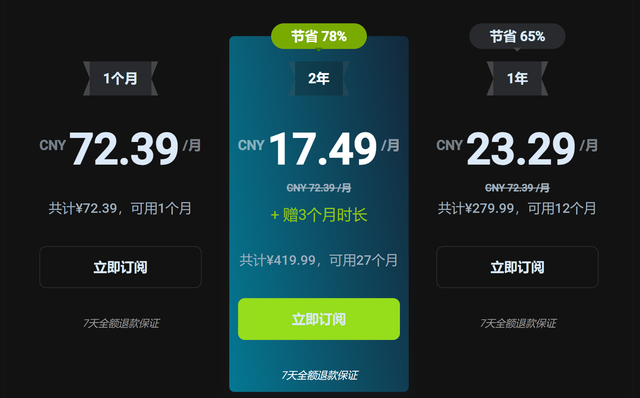
- For most users: NordVPN remains a top pick due to its balance of privacy, performance, and broad appeal. If you’re budget-conscious, explore promotional plans or consider 12-month commitments for better pricing.
- For privacy-first users: Prioritize audits, transparency, and a strict no-logs policy. Evaluate providers that publish audit outcomes and have a history of responsible disclosure.
- For streaming and gaming: Test a few options with long trial periods. Look for dedicated streaming servers and low-latency routes.
- For business: Invest in enterprise-grade plans with centralized management, SSO, and compliance features. Ensure your IT team can manage users and monitor activity.
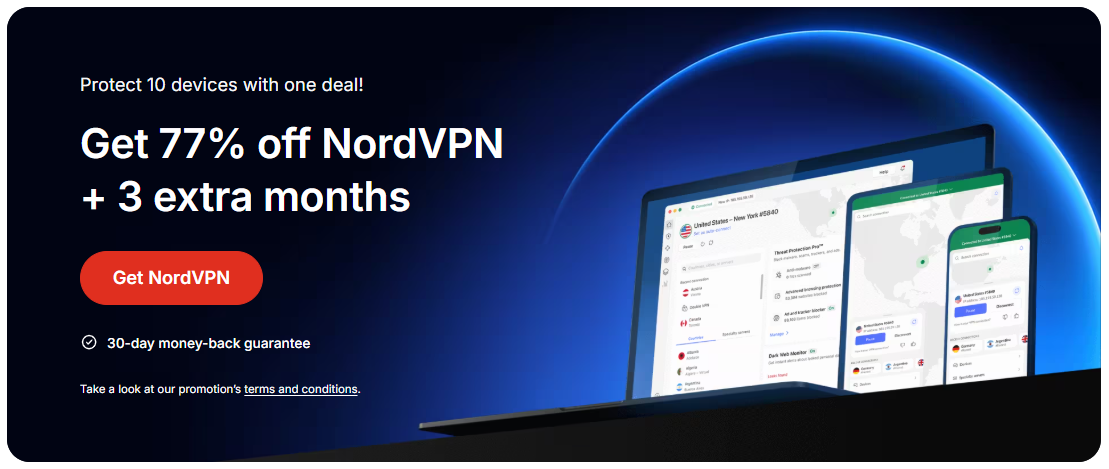
Note: This article includes an affiliate link to NordVPN. If you click through and sign up, you may help support the channel at no extra cost to you. NordVPN Official Site - nordvpn.com
Frequently asked questions continuation
Can I mix VPN use with other privacy tools?
Yes, combining a VPN with privacy-focused browsers, DNS-over-HTTPS, and strict privacy settings can strengthen your overall privacy posture. Just test for leaks after enabling multiple layers. 最便宜的月費 vpn:完整市場概覽 ⚠️ 2026 更新版,性價比、穩定性與隱私分析
How often should I re-evaluate my VPN provider?
At least every 12–18 months. The landscape changes with new regulations, audits, and service changes. Keep an eye on independent reviews and audit updates.
What’s the best plan length to save money?
Annual plans typically offer the best value. If you’re new, start with a 1-year plan during a sale to test long-term fit.
Do VPNs protect me on mobile networks?
They do, but you’ll want to enable auto-connect and ensure the app has necessary permissions for background operation. On iOS, iPhone privacy controls may affect some features, so test thoroughly.
Are there legal risks to using a VPN?
In many places, VPNs are legal for personal use, but laws vary. Ensure you’re compliant with local regulations and organizational policies if you’re using a VPN for work.
How do I troubleshoot VPN connection issues?
- Check account status and subscription validity
- Verify protocol and server selection
- Test on a different device or network
- Look for DNS leaks and disable conflicting network apps
- Contact support with your test results and logs
What about privacy on public Wi-Fi?
VPNs are especially useful on public networks to mask traffic from local network observers. Always enable your VPN when on public Wi-Fi. Unifi vpn connected but no internet your ultimate fix guide: Quick Wins, Deep Dives, and Pro Tips
How can I improve VPN performance on my devices?
- Use a wired connection when possible
- Choose the closest server and the WireGuard protocol
- Enable feature optimizations like auto-connect and DNS protection
- Update hardware drivers and router firmware
End of article.
Sources:
翻墙看哪些VPN工具与要点:2025年最佳翻墙方案、隐私保护、速度与稳定性对比
澳门ctm esim:您的澳门无忧上网终极指南 2026更新 智慧选择与实用攻略
The Ultimate Guide To The Best VPNs For Cloudflare Users In 2026: Fast, Private, And Reliable
Edge vpn mod apk 1.1.5 guide: risks, legality, safety, and safer alternatives for VPN users in 2026 Unpacking nordvpn dns what you need to know for privacy speed and beyond
Xsuper 2026 VPN 深度指南:打造更安全快速的網路體驗