How to enable vpn on microsoft edge
How to enable vpn on microsoft edge step by step guide to enable, install, configure, and use a VPN in Microsoft Edge with built-in features and extensions
Yes, you can enable a VPN on Microsoft Edge. In this guide, I’ll walk you through all the ways to do it, from edge’s built-in options to browser extensions, plus tips to keep your browsing private and fast. If you’re looking for a quick boost, check out this NordVPN deal: . And for extra reading, I’ve included useful resources at the end.
Useful quick-start resources:
- NordVPN - nordvpn com
- Microsoft Edge support - support microsoft com
- Edge Secure Network - docs microsoft com
- VPN extension store - microsoftedge microsoft com addons
Introduction: what you’ll learn
- How Edge’s built-in Secure Network works and where it’s available
- How to install and use a VPN extension inside Edge
- The difference between browser-only VPN and system-wide VPN
- Practical tips to maintain privacy, speed, and reliability
- Common issues and quick fixes you can try today
- A robust FAQ with real-world scenarios and answers
Body
Understanding the options to enable VPN on Microsoft Edge
Microsoft Edge gives you two main pathways to get VPN protection:
- Built-in Secure Network VPN-like service: This is Edge’s own privacy feature that routes your browser traffic through a secure network in supported regions. It’s not available everywhere and isn’t a full system-wide VPN, but it’s a convenient option for browser-level privacy.
- VPN extensions from the Edge Add-ons store: These work inside Edge as extensions, providing encrypted browser traffic and sometimes quick connect lists. They can be part of a broader, device-wide VPN setup if you pair an OS-level VPN as well.
Tips for deciding:
- If you mainly want privacy while browsing and are in a region where Edge’s Secure Network is supported, this built-in option is quick and easy.
- If you want full device-wide protection or need features like a kill switch or diverse server networks, a reputable VPN extension or a dedicated OS-level VPN is the way to go.
- For streaming, gaming, or accessing geo-restricted content, a full-featured VPN with performance-optimized servers usually performs better than a browser-only solution.
Built-in Edge Secure Network: what it is and how to use it
Edge Secure Network is designed to mask your IP address and add a layer of privacy to your browser traffic. It’s powered by a trusted partner in the industry and aims to reduce tracking and improve privacy on public networks. Availability varies by country, and you’ll see options in Edge settings when it’s enabled for your profile.
How to enable if available in your region:
- Open Microsoft Edge.
- Click the three-dot menu in the top-right, then go to Settings.
- Navigate to Privacy, search, and services or a dedicated “Secure Network” section if shown.
- Turn on Secure Network. You may be prompted to sign in with a Microsoft account and/or select a region/server, depending on the rollout.
- Test your connection by visiting a site that shows your IP and location e.g., whatismyipaddress.com to confirm it’s different from your usual one.
Pros and cons: Edge update virus explained: how to spot, stop, and shield yourself with VPNs in 2025
- Pro: Quick to enable, browser-specific protection, no extra apps required.
- Con: Not guaranteed to cover all app traffic on your device, and availability varies by region. It’s not a full OS-level VPN.
Performance considerations:
- Expect some speed impact, but it’s typically lighter than a full VPN on a desktop.
- If you notice significant slowdowns, try toggling Edge Secure Network off and using a dedicated VPN extension for more control.
VPN extensions in Edge: install, configure, and optimize
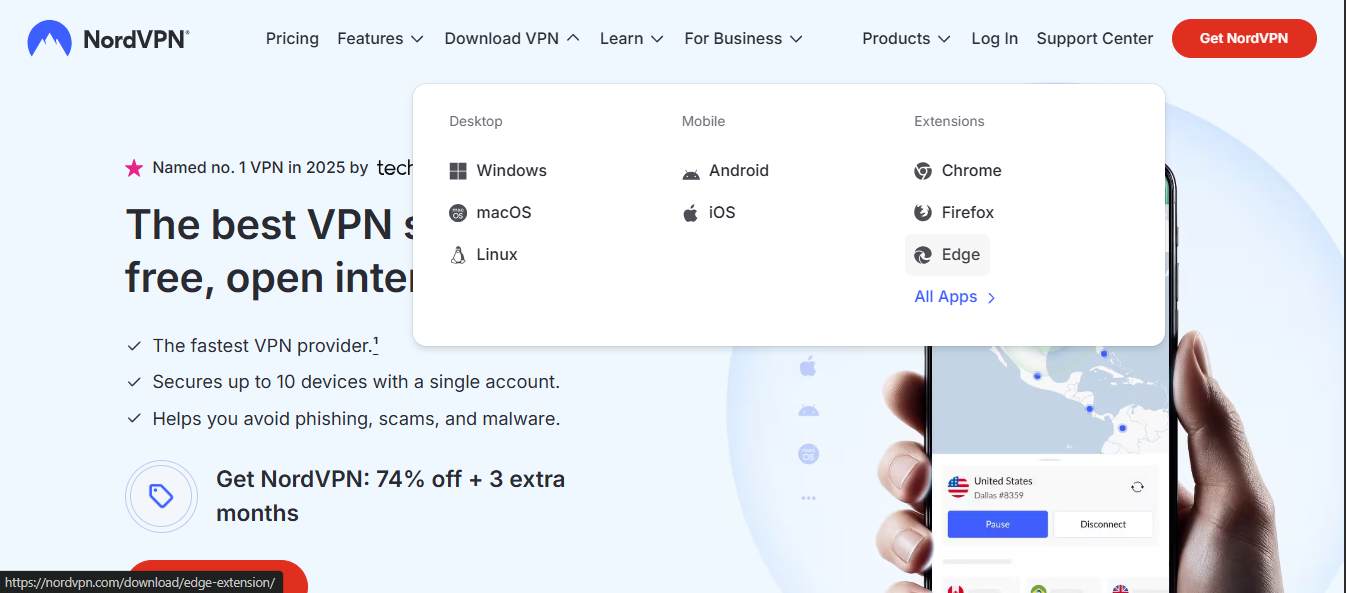
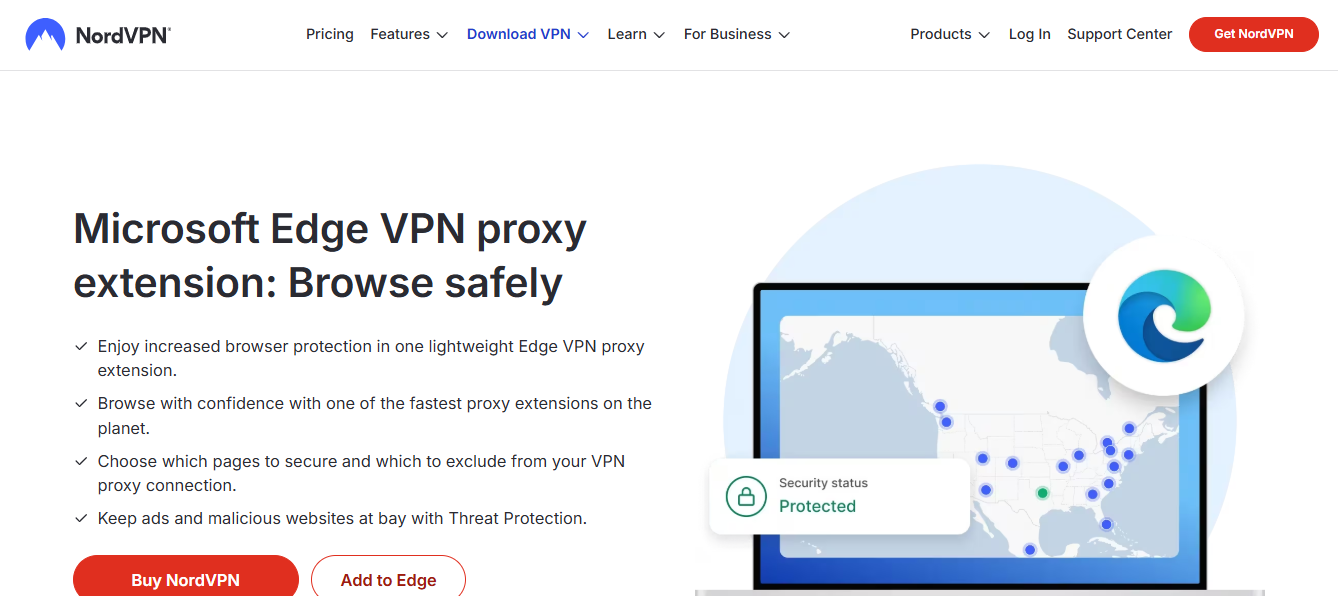
If Edge’s built-in option isn’t available or you want more control, a VPN extension is a solid choice. Popular providers like NordVPN, ExpressVPN, and Surfshark offer Edge-compatible extensions that integrate directly into the browser.
Step-by-step guide to install and use a VPN extension:
- Step 1: Open Edge and go to the Edge Add-ons store edge://extensions or Settings > Extensions > Get extensions from Microsoft Edge Add-ons.
- Step 2: Search for your chosen VPN extension e.g., NordVPN, ExpressVPN, Surfshark. Read reviews and verify the publisher to avoid counterfeit extensions.
- Step 3: Click Add to Edge to install. Some extensions may require you to sign in to your VPN account after installation.
- Step 4: Pin the extension to the toolbar for quick access. You’ll usually see a VPN icon appear in the Edge toolbar.
- Step 5: Open the extension, sign in if needed, and choose a server location. For best performance, start with a server near your physical location.
- Step 6: Enable the VPN. Some extensions offer “Disconnect” and “Connect” options as well as “Always-on” or “Auto-connect” features.
- Step 7: Verify that traffic is encrypted by visiting a site that shows your IP address and location. Some extensions also show ping times and server load.
Browser-only vs system-wide:
- Browser-only VPN extensions protect only the traffic that passes through Edge. Other apps games, mail clients, or background services won’t route through the VPN unless you’re using a system-wide VPN.
- If you need full device protection, pair an OS-level VPN with the Edge extension. On Windows, you can install a VPN app that covers all traffic, plus use Edge’s extension for convenience.
Optimization tips for extensions: Microsoft edge vpn extension
- Choose a server geographically close to you to maximize speed.
- If you stream or game, test multiple servers to find the best balance of speed and reliability.
- Enable any “kill switch” or “auto-connect” features offered by the extension to prevent leaks if the connection drops.
- Use WireGuard-based servers when possible for better speed and modern cryptography.
- If you’re on a slower connection, disable WebRTC leakage protections only if necessary. some VPNs require WebRTC tweaks to prevent leaks, but blocking WebRTC can sometimes break streaming.
OS-level VPN vs Edge VPN: which should you pick?
- OS-level VPN: Protects all traffic from your device, including Edge, other browsers, apps, and background processes. It’s ideal if you want comprehensive privacy and security across everything you do online.
- Edge VPN extension: Lightweight, browser-focused, often simpler to manage day-to-day. Great for quick privacy boosts while browsing, especially if you don’t need to cover all device traffic.
My quick rule of thumb:
- If your goal is casual privacy while browsing and you don’t want to install extra software, try Edge Secure Network or a trusted Edge extension first.
- If you’re handling sensitive data, working on public Wi-Fi, or want to ensure every app traffic is protected, pair a reputable OS-level VPN with a browser VPN extension for redundancy.
Performance, privacy, and security: what to expect
- Speed impact: VPNs will slow you down a bit due to encryption and routing. The degree depends on server distance, protocol, and hardware. Modern protocols like WireGuard tend to offer the best balance of speed and security.
- Privacy: A reputable VPN should have a transparent no-logs policy, robust encryption AES-256, and features like a kill switch and DNS leak protection.
- Leaks: Always test for IP, DNS, and WebRTC leaks after enabling a VPN. If leaks occur, switch servers, adjust settings, or consider a different provider.
- Kill switch: Useful to prevent data leaks if the VPN disconnects. Ensure your chosen extension or OS-level VPN has a kill switch and enable it.
- Privacy jurisdictions: Some providers log less or are based in privacy-friendly jurisdictions. If privacy is a top concern, review the provider’s policies and location.
Case studies and data points you can rely on
- Browser-based VPN usage tends to be more common for lightweight privacy tasks, while many users also pair extensions with OS-level VPNs for total device coverage.
- The VPN market continues to grow as more people prioritize online privacy and access to global content. Analysts note that the consumer VPN market remains highly competitive with improvements in speed, security, and ease of use.
- Edge’s built-in privacy features have been expanding gradually, but adoption is region-dependent. If you’re in a region where Secure Network isn’t available yet, a high-quality browser extension remains the best option.
Practical use cases: when to use Edge VPN
- Public Wi-Fi protection: Protects your browser traffic on coffee shops, airports, or libraries.
- Geo-blocked content: Access content that’s restricted in your location, such as certain streaming libraries or websites.
- Privacy-conscious browsing: Reduce tracking by masking your IP when you’re browsing in sensitive zones e.g., research topics or personal finance.
- Bypassing ISP throttling: Some ISPs throttle bandwidth on certain activities. a VPN can help stabilize your connection when properly configured.
Common issues and quick fixes
- VPN won’t turn on: Make sure the extension is enabled, you’re signed in, and you have an internet connection. If Secure Network is used, ensure it’s available in your region and not paused.
- Slow speeds: Connect to a server closer to your location, try different protocols WireGuard often helps, or switch from a heavy server load to a lighter one.
- DNS leaks: Use a provider with DNS leak protection. enable the feature if available and verify using a DNS leak test.
- WebRTC leaks: Some VPNs block or mitigate WebRTC leaks. disable WebRTC in your browser settings if needed note this can affect some site functionality.
- Extension conflicts: Disable other extensions that may interfere with VPNs ad blockers or privacy tools can sometimes clash with VPN traffic.
Best practices and tips for Edge VPN users
- Pick a reputable provider with transparent policies, a strong encryption standard, and a kill switch.
- Prefer servers with low load and high uptime. Server load directly impacts speed.
- Use split tunneling if supported: route only certain apps or sites through the VPN to maximize speed for non-sensitive tasks.
- Regularly test for DNS and IP leaks after changes new server, extension update, or built-in feature toggle.
- Keep your Edge browser and VPN extensions up to date to benefit from security updates and performance improvements.
- Consider combining Edge extensions with an OS-level VPN for comprehensive protection.
Security and privacy considerations
- Jurisdiction matters: Providers in privacy-friendly jurisdictions typically offer stronger protections against data requests.
- Logging policies: Look for “no-logs” or “no-traffic logs” statements, but read the privacy policy carefully—some services log metadata or connection times.
- Data protection basics: Enable strong authentication multi-factor where possible and keep devices protected with up-to-date security software.
- Ethical browsing: A VPN protects privacy but doesn’t absolve you of legal obligations or activities that contravene local laws or platform terms.
Edge VPN comparison: built-in Secure Network vs Edge extension
- Built-in Secure Network
- Pros: Quick setup, browser-focused protection, minimal extra software.
- Cons: Availability is regional, not device-wide, and features may be limited compared to a full VPN.
- Edge VPN extensions
- Pros: Broader server options, more features kill switch, auto-connect, can be combined with OS-level VPN.
- Cons: Some extensions require ongoing subscription. browser traffic only unless paired with OS VPN.
Frequently Asked Questions
What is Edge Secure Network and how does it differ from a VPN?
Edge Secure Network is a built-in browser privacy feature in Edge that routes browser traffic through a private network where available. It’s not a full system-wide VPN and coverage is region-dependent, but it offers quick, browser-level privacy without installing extra software.
Is Edge Secure Network a true VPN?
Not exactly. It’s VPN-like in how it hides your browser IP, but it doesn’t guarantee device-wide protection for all apps on your computer. For full device coverage, use a separate OS-level VPN or a browser extension alongside your OS VPN.
Can I use a VPN on the Edge mobile app?
Edge on mobile can support VPN extensions similarly to the desktop version in many cases, though mobile OS-level VPN apps may also be a better choice for protecting all traffic. Check your device’s app store for Edge-compatible VPN extensions and start there.
Will a VPN affect streaming quality on Edge?
It can. VPNs add a layer of encryption and reroute traffic, which may slow speeds. If you’re streaming, choose a server with low ping, proximal location, and a protocol that’s optimized for streaming often WireGuard-based servers. Activate vpn edge: how to enable and manage edge VPN connections across Windows, macOS, Android, iOS, and browsers
How do I test if my VPN is working correctly in Edge?
Visit whatismyipaddress.com or a similar site before and after connecting to the VPN extension or Secure Network. Compare the IP address and location to ensure it reflects the VPN server rather than your real location.
Can VPNs log my activity when used in Edge?
It depends on the provider. Reputable VPNs have transparent no-logs policies and external audits. Always read the privacy policy and search for independent verification if privacy is critical to you.
Can I run multiple VPNs at the same time in Edge?
You can have multiple extensions installed, but you should generally use one active VPN extension to avoid conflicts. For full device-wide protection, rely on an OS-level VPN and keep the browser extension for convenience.
How do I fix DNS leaks with Edge VPN?
Choose a VPN that offers DNS leak protection, ensure the feature is enabled, and test using a DNS leak test site. If leaks persist, switch to a different server or contact the provider’s support.
Does NordVPN work well with Edge extensions and have a kill switch?
NordVPN offers a Chrome/Edge extension and supports features like auto-connect and, in some configurations, a kill switch at the OS level. Be sure to enable kill switch in the VPN app or extension settings if available. How to turn on vpn edge
What about privacy on public Wi-Fi—what should I do?
Always enable your VPN before connecting to a public network, even if it’s a quick read. Edge’s built-in privacy tools or a reputable extension can help, but a full OS-level VPN provides broader protection for all apps and services.
How can I maximize speed when using Edge VPN?
- Connect to a nearby server.
- Use a modern protocol like WireGuard.
- Avoid servers under heavy load check server load indicators if your provider shows them.
- Disable other bandwidth-heavy activities while testing a new server.
Should I use Edge’s built-in Secure Network or a third-party extension?
If you only need quick, browser-level privacy and you’re in a region where Secure Network is available, it’s worth trying. For better control, more server options, and stronger protection, a reputable VPN extension and possibly an OS-level VPN is usually the better long-term choice.
How do I ensure my Edge VPN doesn’t break website functionality?
Test key sites after enabling the VPN to ensure essential features work. If something fails like WebRTC-powered features, streaming platforms, or corporate login portals, switch servers, disable WebRTC restrictions, or temporarily disable the VPN for that site.
What’s the best practice for privacy when using Edge on public devices?
Use a reputable VPN extension or OS-level VPN, enable a kill switch, and ensure WebRTC leaks are controlled. Avoid saving passwords in browsers on shared devices, and consider a private browsing session when handling sensitive information.
Can I trust Edge Secure Network with my personal data?
Edge Secure Network is provided as a privacy feature within Edge, bundled with Microsoft’s security ecosystem. If your privacy goals require stricter assurances, review the provider’s data handling policies and consider complementing with a trusted third-party VPN extension or OS-level VPN. Edge vpn mod premium
Do I need to uninstall my existing VPN app to use Edge extensions?
Not necessarily. You can run a VPN extension within Edge in addition to a separate OS-level VPN. If you run multiple VPNs, ensure they don’t conflict some systems require you to disable one when the other is active.
Is it safe to run VPNs on Windows 11/10 for Edge?
Yes, as long as you use reputable providers and keep software updated. Always download extensions from the official Edge Add-ons store and use well-reviewed VPN software from reputable providers.
Resources and further reading un clickable text with URLs
- NordVPN official site - https:// nordvpn com
- Microsoft Edge support - https:// support microsoft com
- Edge Secure Network documentation - https:// docs microsoft com / en-us / microsoft-edge / security / edge-secure-network
- Edge extensions store - https:// microsoftedge microsoft com / addons
Note: If you’re in the market for a reliable VPN that’s easy to manage with Edge, consider starting with a trusted provider’s browser extension and pairing it with a strong OS-level VPN for total protection. The right setup depends on your privacy goals, the devices you use, and the regions you operate in.
Appendix: quick-start checklist Microsoft edge vpn reddit
- Decide between Edge Secure Network or a VPN extension based on region and needs.
- If using Edge Secure Network, verify availability and enable in Edge Settings.
- If using an extension, install from Edge Add-ons store, sign in, and select a nearby server.
- Test IP and DNS leaks after enabling the VPN.
- Enable kill switch if available and configure auto-connect for convenience.
- For full device protection, pair with an OS-level VPN app.
- Regularly check for updates to Edge, the extension, and your OS VPN client.
- Keep privacy expectations realistic and respect local laws and platform policies.
Forticlient vpn電腦版完整評測與安裝指南:Windows 客戶端、設定、性能比較、與 FortiGate 支援與安全性分析