VPNs
What is the best free vpn download for privacy, streaming, and security in 2025
Nikita Donovan · March 7, 2026
We publish long-form reviews you can actually use for real people, with a practical focus on how to buy, configure, and operate digital privacy and connectivity tools. Our home page offers a steady intake of hands-on guides, setup walkthroughs, and decision aids designed for a general international audience that primarily uses USD pricing and familiar services like NordVPN and ExpressVPN as reference points. We aim to cut through hype and present clear, actionable information that helps readers compare products, assess features, and make informed choices without getting lost in jargon.
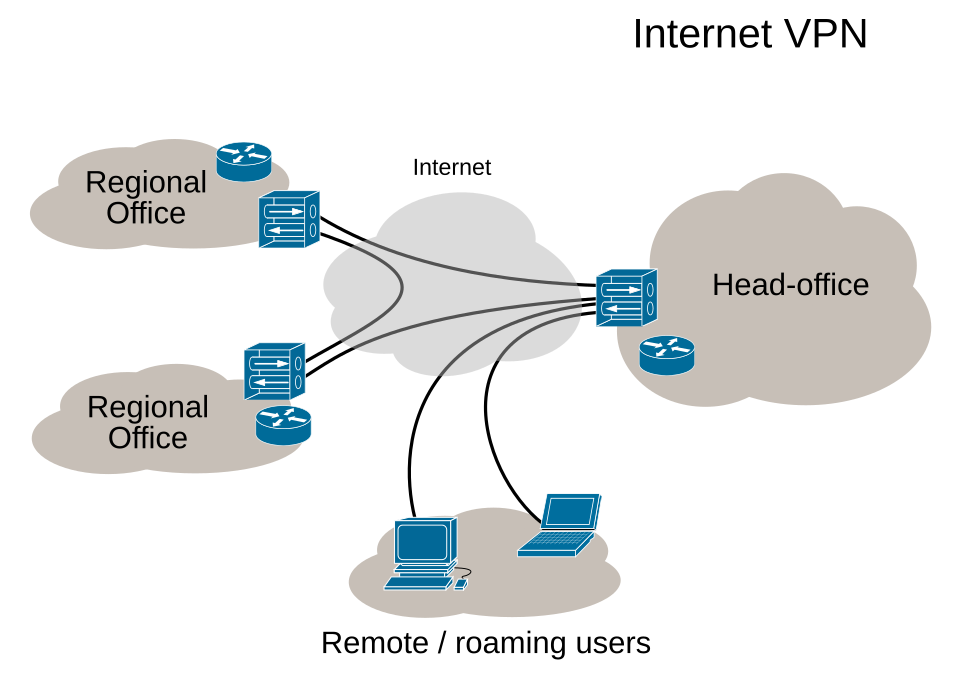
What you will find here on the home page includes a mix of essential topics, each anchored in real-world usage. We cover practical install steps for routers and devices, such as UniFi EdgeRouter X site-to-site VPN setups and remote access IPsec configurations, so readers can implement secure networks in business or home environments. We also provide comparisons of popular VPN plans, including how basic and higher-tier options differ in features, price, and value. Beyond VPNs, we explore browser extensions, operating system integrations, and general privacy considerations that affect everyday online activities. Each piece aims to be usable now, not theoretical, with concrete steps and tested recommendations.
Key topic clusters you’ll encounter here include: product comparisons and plan analysis; step-by-step setup guides for hardware and software; browser and OS integration including Edge and Windows workflows; country-specific considerations for privacy and regulation; streaming and geo-access discussions; and practical security practices for remote work and home networks. Expect content that gives you concrete numbers, real-world pricing in USD, and transparent guidance on what services actually deliver at each tier.
Our goal is to help readers make sense of a crowded market and a shifting regulatory landscape. We respond to real demand for durable, testable, and transferable knowledge—information you can use whether you’re a home user, a small business owner, or an IT professional. We emphasize longevity and applicable insights over trend-chasing, using the following approach to every piece:
Readers come from diverse regions, but the content assumes USD as the baseline for pricing, with note-worthy exceptions where relevant. We reference well-known providers by name to anchor comparisons and avoid regional vagueness. Expect concrete figures such as monthly and annual plan prices, typical discounts, and the cost differences between entry-level and premium tiers. We keep expectations grounded by highlighting what you get at each price point, whether you’re securing a home network, safeguarding remote workers, or ensuring privacy while traveling.
Our homepage presents a curated view into the kinds of coverage you can expect. The structure often includes high-signal content such as:
Recent posts reflect the breadth of topics, from practical configuration to policy-aware discussions. For instance, we cover the process of enabling and testing VPNs on Windows 11 and Windows 10, contrasting built-in options with third-party tools. We examine how to disable VPNs in Microsoft Edge when needed, and we detail how to connect multiple devices to a single NordVPN account across platforms. Other posts delve into specific hardware contexts, such as setting up a UniFi EdgeRouter X for site-to-site VPNs, or discussing country-specific considerations like Turkey’s edge cases in VPN deployment. These pieces demonstrate a consistent pattern: a focus on real-world usability, crisp steps, and transparent evaluation criteria.
While Abdcs aims for a general international audience, we incorporate practical, country-relevant information to help readers plan and implement deployments with confidence. Examples include:
Below is a compact snapshot that helps you compare two widely referenced providers and a realistic alternative. This is not exhaustive, but it gives you a baseline for evaluating value, features, and ease of use. The table uses USD pricing as a common frame of reference and highlights what changes when upgrading plans.
| Provider | Plan | Monthly Price (USD) | Annual Price (USD) | Key Features |
|---|---|---|---|---|
| NordVPN | Standard | 12.99 | 79.00 | 1024-bit encryption, 6 simultaneous devices, basic kill switch |
| NordVPN | Plus | 14.99 | 99.00 | Everything in Standard + advanced threat protection, cloud storage options |
| ExpressVPN | Standard | 12.95 | 99.95 | Strict no-logs policy, 5 devices, split tunneling |
| Alternative | Core | 9.99 | 74.99 | Competitive pricing, fewer server locations, basic privacy features |
We emphasize that the right choice depends on your use case. For a small business with multiple remote workers, a Plus tier from NordVPN may deliver the best balance of features and price. For a consumer who mainly needs streaming access and straightforward protection on a couple of devices, ExpressVPN’s standard plan could be more straightforward. Our ongoing coverage includes deeper dive comparisons, including performance tests, connection stability, and user experience across platforms.
Abdcs avoids hype and focuses on outcomes. We present practical benchmarks like latency when connecting to US servers, device compatibility lists for Edge extensions, and real-world setup steps for a UniFi EdgeRouter X. We also provide nuanced guidance about privacy practices and device hardening, such as enabling kill switches, configuring split tunneling, and validating DNS leaks. Our goal is a predictable, repeatable workflow you can apply as you expand your network or adjust to new regulatory or service changes.
The Abdcs home page is designed to be a steady, practical resource. We welcome readers to explore the top posts and to use the content as a starting point for hands-on experiments, configuration tweaks, and informed decisions about privacy and connectivity in a fast-changing digital environment.
Latest posts across 18 languages